In the race to become the premiere destination for game adaptations, Amazon’s streaming wing, Prime Video, is surging ahead, leveraging a number of high-profile projects in its race to outpace such contenders to the throne as Netflix, HBO, and Paramount+. But in its rush to lay claim to gaming’s greatest titles, is the streamer in danger of alienating the very fans it hopes to convert to viewers?
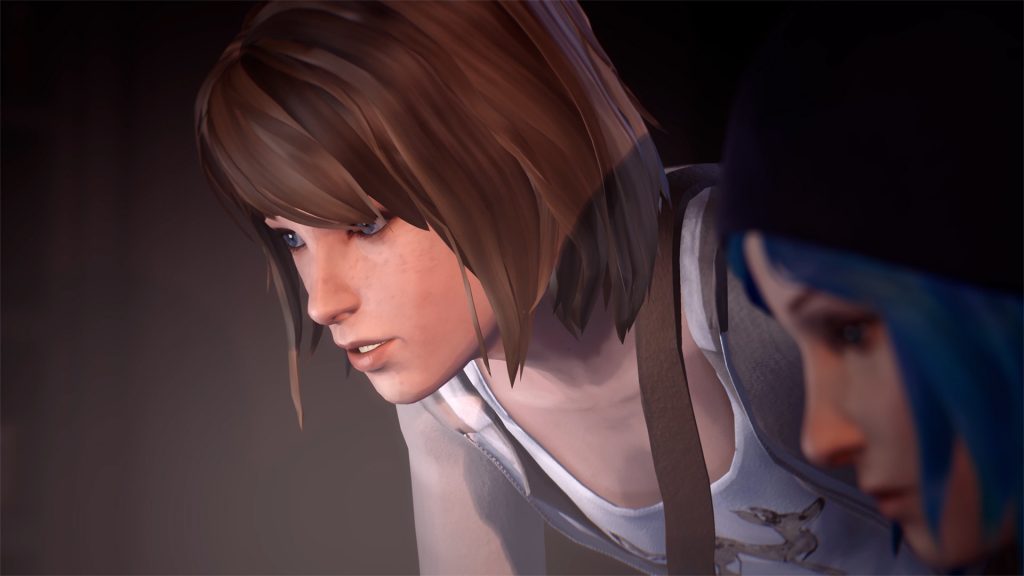
Amazon made the headlines again this week following its announcement that a Life is Strange adaptation is underway from game publishers Square Enix, in collaboration with Story Kitchen, and LuckyChap.
LuckyChap Entertainment is a British-American film and television production company founded in 2014 by Australian actress and producer Margot Robbie and her husband Tom Ackerley (a British film producer), with the intention of producing content centered on women’s perspectives, often led by female directors, writers, and crews. Robbie has described its mission as one creating “stories about women told by women.”
Story Kitchen meanwhile is an up-and-coming player in the video game-to-screen adaptation space, leveraging co-founder Dmitri M. Johnson’s success with Sonic the Hedgehog (which grossed over $700 million worldwide across two films) to acquire rights to Life is Strange, and Tomb Raider for Amazon.
Game properties acquired by Story Kitchen include Hazelight Studios’ 2021 co-op adventure It Takes Two (for Amazon), Avalanche Studios’ open-world action series Just Cause (for Universal), Sega’s classic beat-’em-up series Streets of Rage (for Lionsgate), Reikon Games’ 2017 cyberpunk shooter Ruiner (for Universal) and more.
Square Enix meanwhile will be familiar to many as the publisher behind Life is Strange. Not mentioned in the deal however are original Life is Strange creators Don’t Nod. The French studio’s exclusion prompted the original game’s lead writer Christian Divine to comment this week that “the only people not involved are the creators.”
Divine’s comments are driving discussion on the role game studios ought to play in the adaptation of their properties by behemoths like Amazon, HBO, and others. Naughty Dog chief Neil Druckmann’s collaboration with HBO on the adaptation of Sony’s The Last of Us proved a contentious one, with fans divided on whether Druckmann’s vision helped or hindered the show’s trajectory. Meanwhile, some fans blamed co-writer Craig Mazin for a lack of fidelity instead. Regardless, one fact cannot be denied: While many elements of the series remained faithful to the letter to the game franchise, creative license in other areas sparked major backlash among game fans.

On the other hand, Prime Video’s Fallout 2024 adaptation was almost overwhelmingly praised by critics and fans for its visual fidelity, tone, and overall vibe, with the show earning a 93% on Rotten Tomatoes and a quick renewal for Season 2. However, the streamer’s critical darling didn’t entirely escape the attentions of gaming purists, with specific criticism from a vocal subset of hardcore Fallout game fans levelled against the show’s faithfulness to the franchise’s lore and canon.
The show, created by Westworld and The Peripheral creators Jonathan Nolan and Lisa Joy, is an original story set in 2296 in a post-apocalyptic Los Angeles, rather than adapting any specific game’s plot. This approach was intentional, and designed to avoid the challenges of the games’ branching narratives and multiple player choices. However, like The Last of Us before it, this new direction led to debates about “retcons” (retroactive continuity changes) and deviations that some felt undermined established elements from the games, particularly the non-Bethesda titles (Fallout 1, 2, and New Vegas).
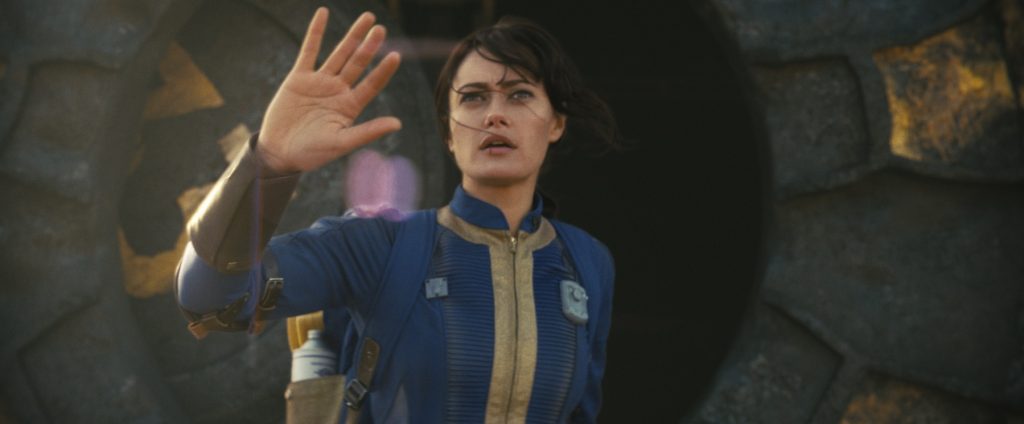
Critics and creators like Bethesda’s Todd Howard and original Fallout designer Tim Cain have defended the show’s liberties, emphasizing it as a “true extension” of the universe rather than a direct adaptation. However, fan discussions on platforms like Reddit, Gaming forums, and elsewhere highlight frustrations, especially around timeline inconsistencies.
Amazon’s pursuit of new game material for adaptation proves the streamer is hungry for crowd-pleasing gaming titles that will bring similar successes as Fallout. However the streaming giant will need to continue to look for angles, stories, and new perspectives that won’t set gaming purists’ teeth on edge while at the same time remaining true to the elements that made these games successful in the first place. The phrase “the same but different” never seemed more apt.
Last week’s announcement of a Tomb Raider series, starring Sophie Turner (Game of Thrones) as Lara Croft, and set to begin shooting in 2026, has also landed Fleabag and Killing Eve creator Phoebe Waller Bridge as writer, executive producer, and co-showrunner. Some gamers hoping for a large-breasted leggy acrobat will not doubt be disappointed by such creative moves, but for those longing for a strong and complex character with emotional depth have reason to hope this one might be a winner.
At the time of writing Prime Video’s expansive portfolio includes such titles as:
Like a Dragon: Yakuza (2024): A live-action crime drama adapted from SEGA’s Yakuza video game series.
Secret Level (2024): A series of original stories inspired by video games like Armored Core, Mega Man, PAC-MAN, and Warhammer 40,000.
Tomb Raider (2027?): A possible premiere date, given the series will go into production sometime in 2026.
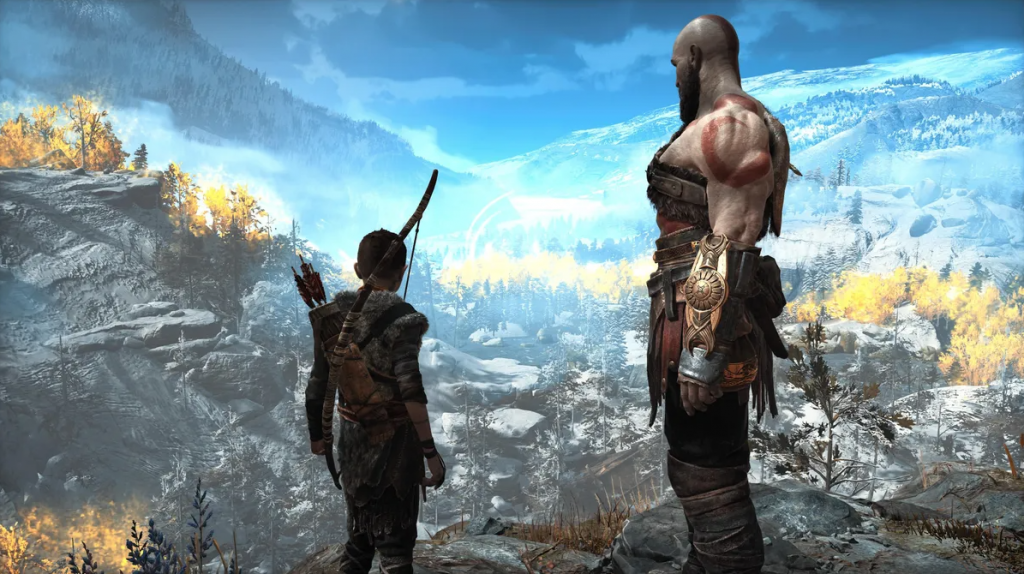
God of War (2027?): Ronald D. Moore (Star Trek: The Next Generation, Deep Space Nine, Voyager, Roswell, Battlestar Galactica, Outlander, For All Mankind) will serve as showrunner on this adaptation of the award winning 2018 title. The series is set to begin filming in March 2026, in Vancouver.
Mass Effect (TBA): Based on BioWare’s sci-fi RPG video game trilogy, the series entered active development in November 2024, with Daniel Casey (F9: The Fast Saga, Kin) as writer.
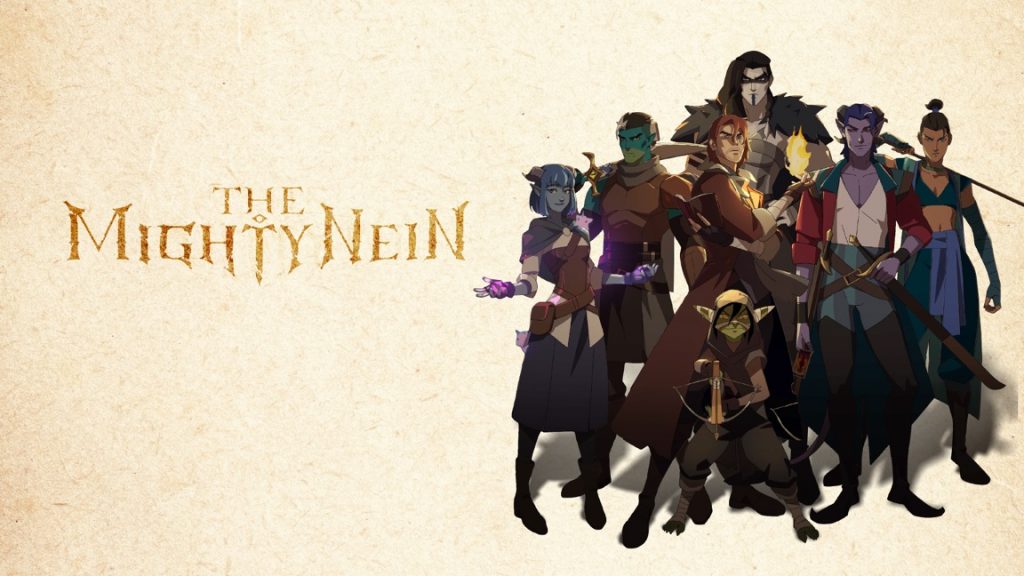
I would be remiss not to note that Prime Video’s dominance extends beyond video games to tabletop RPGs, with The Legend of Vox Machina (2022 – present) and its upcoming spinoff Mighty Nein (set for late 2025) anchoring its appeal to the tabletop gaming community.
Adapted from Critical Role’s Dungeons & Dragons campaigns, The Legend of Vox Machina brings the misadventures of a ragtag group of heroes to animated life, blending humor, heart, and high fantasy.
Mighty Nein, based on Critical Role’s second campaign, will follow a new band of misfits in the same universe, promising to expand the franchise’s reach with its 2026 debut.
While Prime Video accelerates, competitors struggle to match its breadth and consistency. HBO’s The Last of Us, mentioned earlier, set a high bar. However, HBO’s game adaptation slate remains limited, with no confirmed projects beyond The Last of Us and a stalled Crazy Taxi series.
Netflix meanwhile has a broader approach, with successes like The Witcher (2019–present), based on CD Projekt Red’s video game (and of course Andrzej Sapkowski’s books), and Cyberpunk: Edgerunners (2022), an animated hit tied to Cyberpunk 2077.
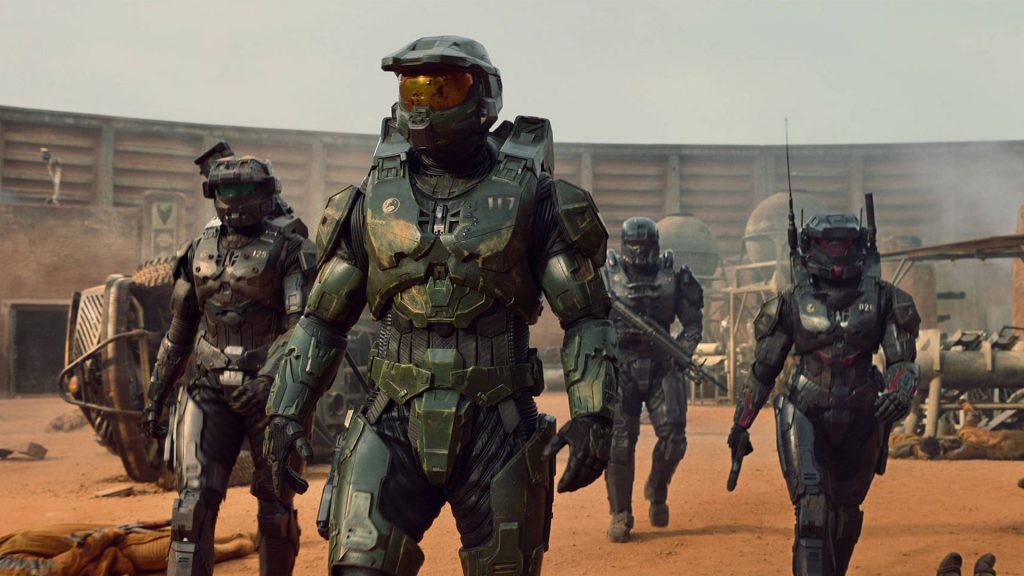
Yet, Netflix’s track record is uneven, with cancellations like Resident Evil (2022) after one season and the polarizing Halo (2022 – 2024, later moved to Paramount+). Paramount+’s Halo and Ark: The Animated Series (2024) cater to niche audiences, but Halo’s deviations from game canon alienated fans, and Ark lacks mainstream traction. Peacock’s Twisted Metal (2023 – present) found a modest following, but its comedic tone pales against Prime Video’s prestige-driven projects.
Other streamers, like Apple TV+ and Disney+, have yet to fully embrace game adaptations. Apple TV+’s current focus is classic sci-fi novel adaptations (Foundation, Silo, Murderbot and the upcoming Neuromancer being a handful of examples) in addition to prestige originals like Severance, Invasion, and Sugar. Disney meanwhile seems intent on scraping both Marvel and Star Wars’ IP bottom for new projects for now.
Prime Video has, for the most part, also managed to avoid its competitors’ pitfalls. Netflix’s Resident Evil and Paramount+’s Halo strayed too far from source material, alienating fans, while HBO’s limited slate lacks Prime Video’s diversity.
As game adaptations evolve into mainstream phenomena with juggernaut titles like God of War, Mass Effect, and Tomb Raider on the horizon, Prime Video is poised to solidify its status as the go-to platform for serious game adaptations, tapping into a cultural zeitgeist that demands the same … but different.
Follow TVPulseMag on Twitter | TVPulseMag.com on BlueSky for TV scoop, and GamesPulseMag for Gaming news.