From Office-style cutaways to over 1,000 handcrafted NPCs, Playground’s reboot is shaping up to be something truly groundbreaking
Playground Games is finally ready to bring Fable back to life. The long-awaited reboot of the action-RPG franchise is scheduled to launch in Autumn 2026 on Xbox Series X|S, PlayStation 5, and PC, and will be available day one on Xbox Game Pass.
Originally announced at the Xbox Games Showcase in 2020 and in development for several years, this new Fable is a fresh beginning (not a straight remake or sequel) that reimagines the moral-choice-driven world of Albion for a modern audience. It’s being built on ForzaTech, the same engine that powers Playground’s Forza Horizon series and by all accounts is on track to deliver a seamless open world filled with personality, humor, and consequence.
A “Fairytale, Not Fantasy” World
According to director Ralph Fulton, the core ethos of the reboot can be summed up as “a fairytale, not fantasy.” This philosophy comes from design material Playground discovered from the original Fable creator at Lionhead Studios, and it guides the tone as much as mechanics.
The new Fable embraces the series’ signature blend of whimsical morality and British humor while building deeper simulation systems around choice and consequence.
An Open, Dense World Players Can Explore Freely
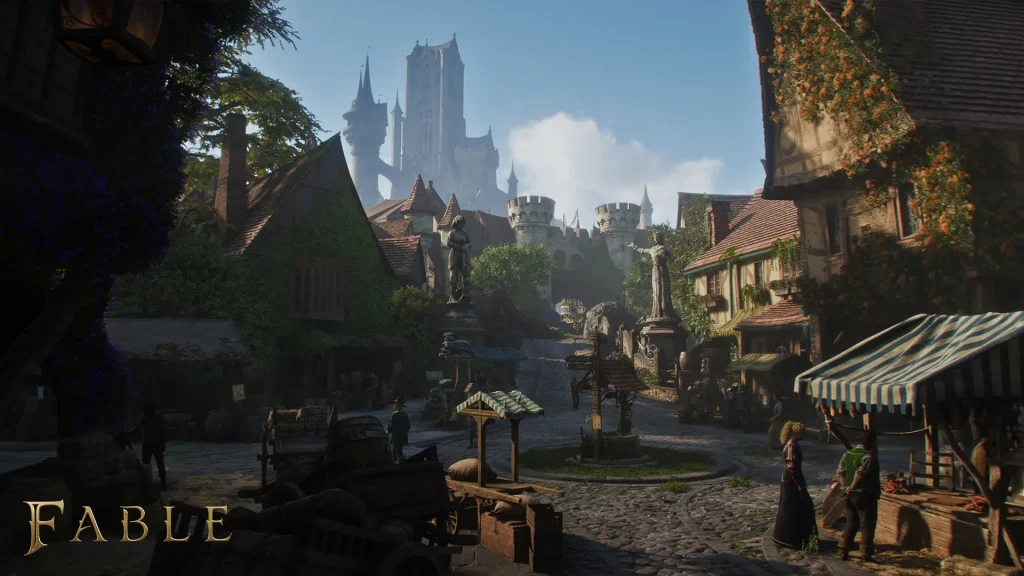
Unlike the more segmented levels of older Fable games, Albion in 2026’s Fable is fully open world, with players able to enter every building they encounter — including homes, shops, and businesses, and interact with their interior spaces.
You can buy property, run a business, or even rob houses if you choose, and those decisions ripple outward, impacting the world and how its inhabitants see you.
1,000 Handcrafted NPCs, All Unique and Reactive
One of the standout features revealed so far is the scale and depth of Fable’s simulated population. The game contains over 1,000 handcrafted NPCs, each with a distinct name, job, personality, and daily routine that sees them live real lives — sleeping, working, and interacting with others in Albion. These characters are not procedurally generated, meaning every one was deliberately designed and voiced to feel like a unique individual.
You can:
- Talk to every NPC in fully voiced conversations
- Romance, marry, divorce, and even have children with them
- Hire or fire them in your businesses
- Evict them from property you own
The sheer scale of this “Living Population” is aimed at making Albion feel alive in a way few RPGs have attempted. NPCs react not only to your reputation but to how your actions are perceived by others, so a good deed in one village could be seen differently in another.
Dynamic Reputation and Choices With Consequences
Instead of a classic morality bar tied to absolute good and evil, Fable’s reputation system is both contextual and subjective. NPCs form opinions based on what they see you do, and their reactions are shaped by their personal worldviews. For example, kicking a chicken might make you infamous in one town but amusing in another, and characters will talk about what you’ve done, sometimes forever.
This approach extends beyond simple dialogue changes: the game hints that player choices can influence the world itself, such as altering house prices or how communities develop based on your broader impact.
No Classic Morphing — But Personal Identity Still Matters
A signature feature of earlier Fable games — character morphing (physical changes reflecting morality) — has been dropped for this reboot. Playground explains that because morality in this world is more about how others perceive you than an objective scale of good and evil, visible physical transformations wouldn’t fit the new system.
Playstyle, Combat, and Humor
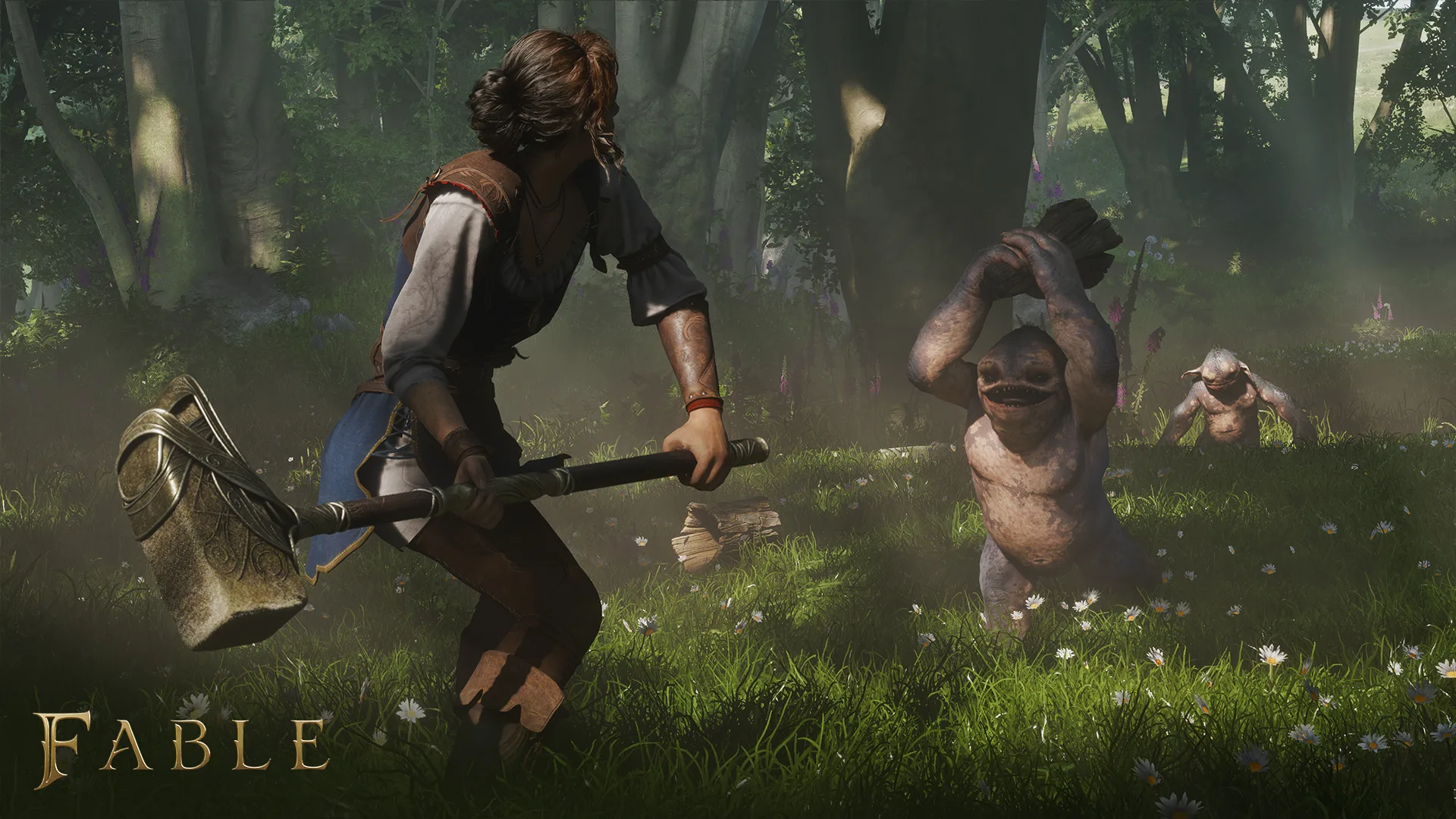
Mechanically, Fable blends melee, ranged, and magical combat with playful world interactions and British wit. Classic creatures like Hobbes and balverines will appear alongside imaginative new foes. The game’s humor and charm are expected to be front and center — giving players a range of tones from comedic to earnest within Albion’s narrative. Office-style mockumentary interview segments show the interior thoughts and desires of specific characters, while keeping a distinctly British flair to proceedings.
Redefining the Open-World RPG
With its Autumn 2026 release, Fable promises to redefine what open-world RPGs can be: a vivid, character-driven simulation filled with unique people, rich environments you can explore in every nook and cranny, and a morality system grounded in social consequence rather than binary good vs. evil. As Albion prepares to open its doors later this year, fans old and new are eagerly watching one of the most ambitious reboots in modern gaming.