Modern TV audiences are, by now, quite used to the flavor of British TV dramas adapted for American palates.
Many moderately budgeted, short-seasoned, punchy and otherwise quirky British shows have found themselves in the long-lived and warm embrace of the US Broadcast TV landscape over the years. Shameless, House of Cards, The Office, Mistresses, and even the less successful Utopia, Skins, Prime Suspect, and Broadchurch (rebranded as Gracepoint when it appeared on FOX’s 2014 fall slate) have all made the leap across the pond to greater or lesser degrees of success.
Often featuring lengthier seasons, a more well-known lead, and stories that eventually come to feature standard plot-lines borrowed from every other broadcast drama currently on air (the team races to prevent a biohazard leak, the team races to save one of their own, the team races to stop a serial killer…), these adaptations can, over time, feel less and less like their quirky British counterparts, and more and more like they began life on US Broadcast.
Such is the nature of TV. We are but its humble mesmerized servants.
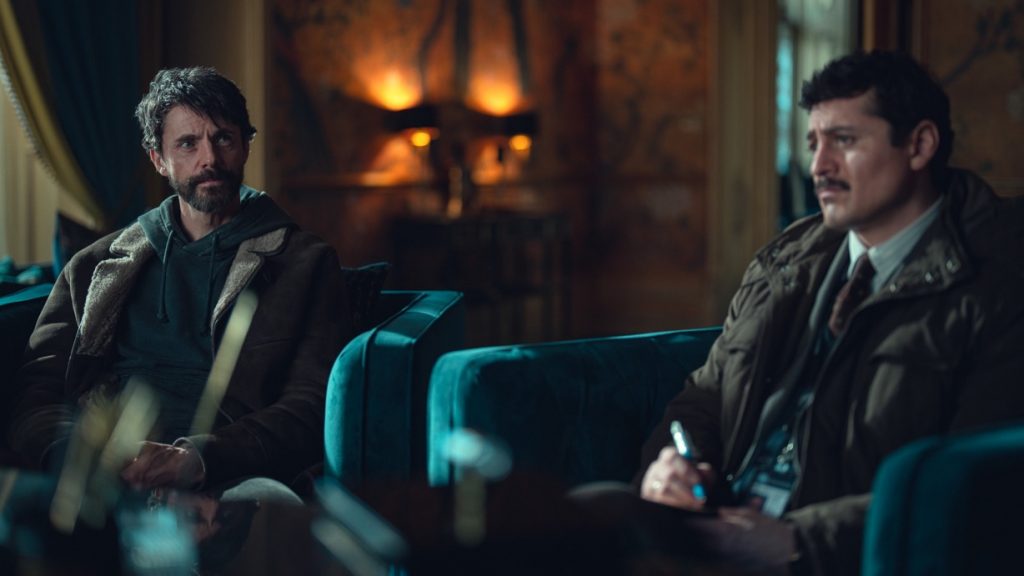
What is not often seen however is a British TV show that in tone, plot, and execution feels like it has already made that leap to the US format right from the get-go. One such show is Dept. Q, Netflix’s new drama series; part mystery, part thriller, part contrived procedural, but really, actually, surprisingly based on the Danish 10-book series of the same name by Jussi Adler-Olsen.
If you have a yen to see the team — led by a grumpy genius in the same vein as Monk’s Adrian Monk, The Mentalist’s Patrick Jane, or Criminal Minds’ Dr. Spencer Reid — racing to save a kidnapping victim detained in luridly specific circumstances, then this one is for you.
Relocated from Copenhagen to Scotland, both medieval and gothic architecture and modern grit are captured beautifully with cinematography that blends the show’s Nordic Noir roots with grimy alleys, dark, rain-soaked cobbled streets, turbulent gray seas, and rusting shipyards. Mood and visuals aside, the story brims with comfortably familiar procedural drama vibes that US audiences can get behind.
Matthew Goode (The King’s Man, The Offer) stars as DCI Carl Morck, a brilliant cop but a terrible colleague. Morck is also a terrible step-Dad, a terrible would-be lover, a terrible divorcee, and a terrible driver. Morck is cut from that same cloth as Jonny Lee Miller’s Sherlock Holmes in Elementary, Dr. Gregory House in House, and any other number of TV shows featuring irascible male leads, who know a lot, and feel really irritated by having to explain it all.
We’d love to tell you that the source of Morck’s unpleasantness is PTSD from a shooting that left a young and inexperienced police officer dead, his partner paralysed, and Morck himself recovering from a bullet wound to the head, but we’d be lying.
Morck was a terrible person before he was shot, and his know-it-all attitude and haughty demeanour have made him no friends in Edinburgh police since the incident.
When he returns to duty he finds he’s been relegated to the basement as the sole member of Department Q, a newly formed cold case unit. Initially thrilled not to have to explain his genius to others, Morck soon discovers the department is nothing more than a PR stunt, created solely to distract the public from the failures of an under-resourced, failing police force that is glad to see the back of him.
Over time, and more by accident than design, Morck starts to build a team of overlooked, and under-utliized assistants who are willing to put up with the grumpy genius schtick if it means getting to have a crack at some serious cold case-solving.
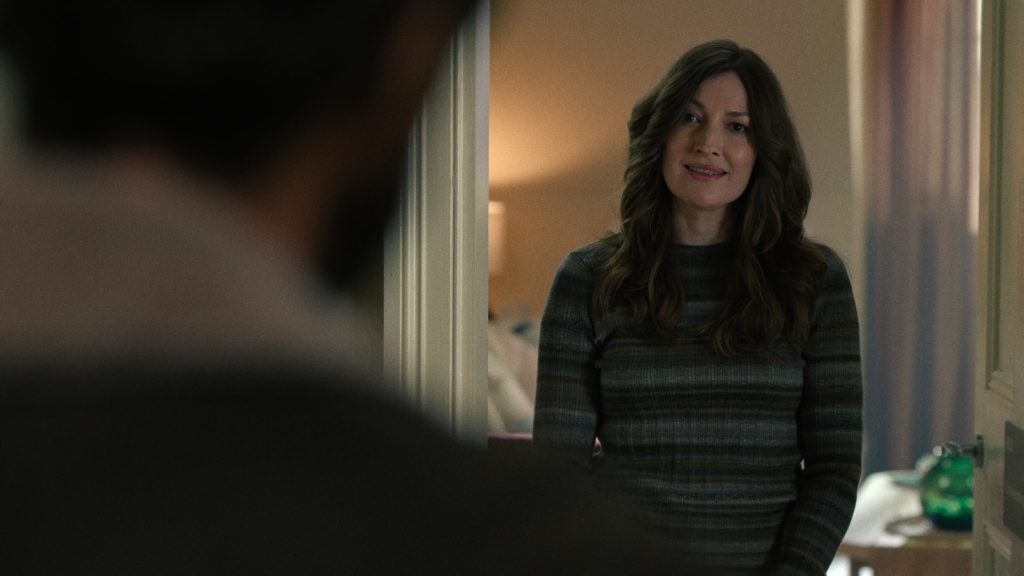
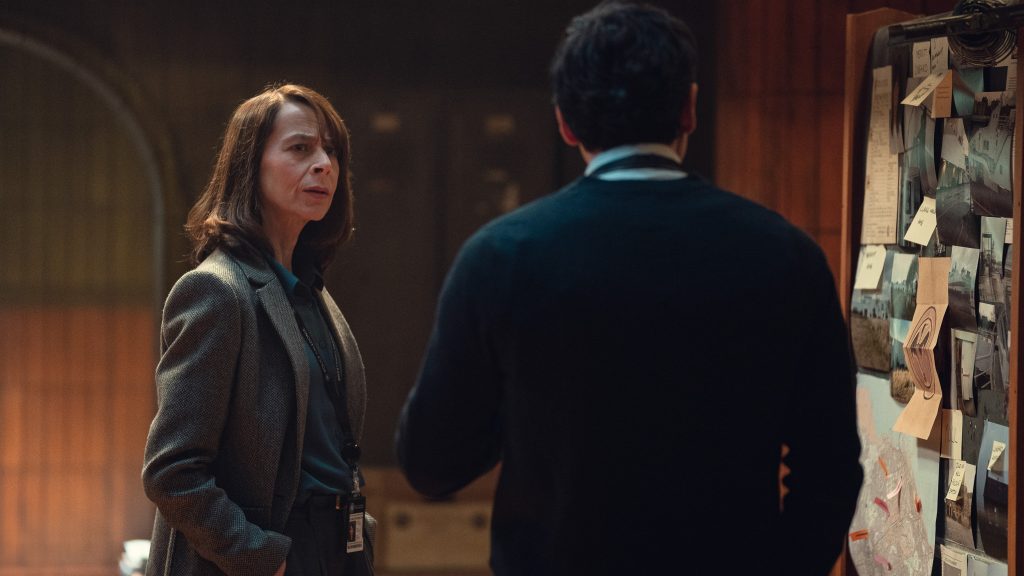
In addition to the team of adoring acolytes who hang on his every word, Dept. Q even features a shouty boss (Kate Dickie) who shuts down Morck’s every reasonable request, and a softly spoken therapist (Kelly McDonald) who wants to get to the root of Morck’s pain, and maybe more, but is equally happy to be sand-blasted in the face for an hour by the same torrent of animosity, acrimony, and antagonism that pours from Morck’s mouth in almost every other scene.
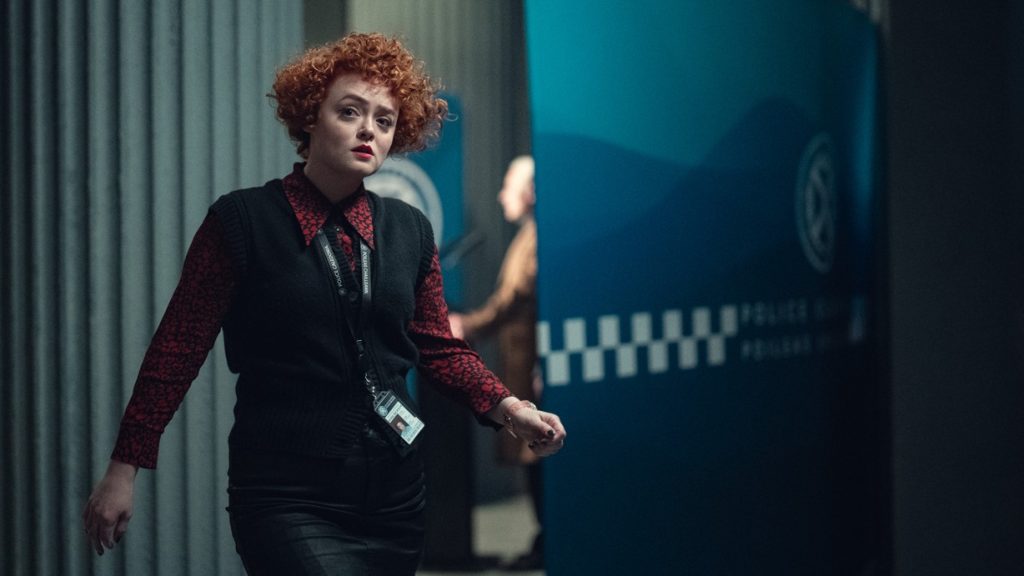
Initially distracted by the mishandling of the investigation into his own shooting, Morck is gently coaxed into actually doing some cold-case work by assistant Akram (Alexej Manvelov, Tom Clancy’s Jack Ryan, Chernobyl), a Syrian national with a shady past and a quiet but forceful knack for getting things done, and the soft-hearted, diligent, and details-focused Detective Constable Rose Dickson (Leah Byrne, Nightsleeper, The Last Bus).

In a clever opening episode, the team discuss taking on a lawyer to help with some of the work. Cut to scenes of Merritt Lingard (Chloe Pirrie), a brilliant and razor-sharp prosecutor, who stumbles uncharacteristically in her latest case. Could Merritt act as a potential foil to Morck? Unfortunately not. As events reveal, in the present day Merritt has been missing for over 4 years, and she is actually Department Q’s very first case.
As Morck and the team begin rattling cages and getting in people’s faces, we learn that Merritt is very much alive, but held hostage in a pressure-controlled hyperbaric chamber at some unknown location, the improbable likes of which we might expect to see on an episode of CSI. As Merritt’s captors torture her with bright lights and deafening music and pressure changes to her sealed habitat, they attempt to force her to admit to her worst crime. However with so many cases in her past where she used and discarded witnesses, friends, family, prisoners, and lovers, Merritt is drawing a large blank.
As Morck and the gang race to save Merritt from her fate, a 16-year-old case up in Aberdeen opens up new avenues of interest.
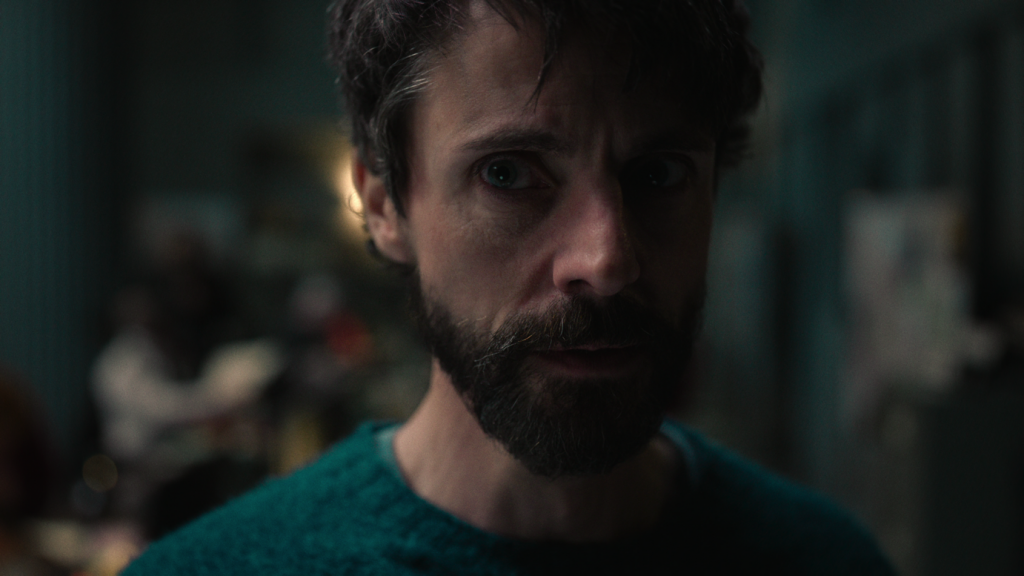
Created by Scott Frank of The Queen’s Gambit fame, the show is a bingeable treat for fans of Slow Horses or Prime Suspect, but its ambitions don’t always land as neatly as its premise promises. A blend of Nordic Noir with a distinctly British edge, the bone structure of a US procedural crime drama, and a mainly Scottish cast, the show somehow manages to stay on the rails, maintaining a a fluid, engaging style (with clever touches like shifting aspect ratios to signal perspective changes), despite its varied genetic makeup.
The show’s pacing, however, is where it falters. At nine hours, the narrative feels stretched, with subplots and red herrings that don’t always pay off. The central mystery — a convoluted web involving Merritt’s kidnapping and Morck’s past — gets twisty to a fault, occasionally sacrificing coherence for shock value.
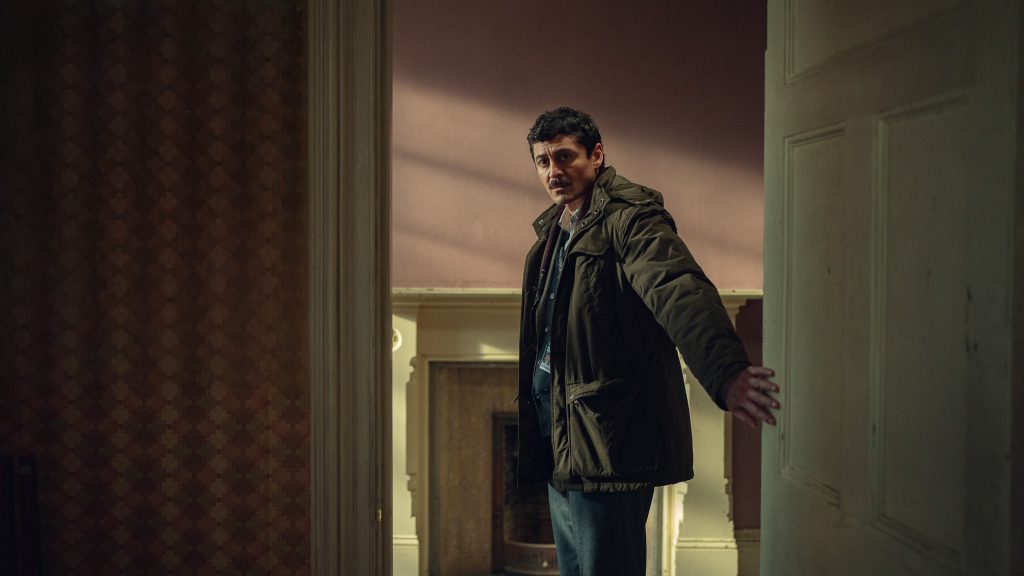
To boot, Morck’s grating personality isn’t quite the charming bit the show writers might imagine it is, becoming downright irritating in key scenes where the audience just wants him to reveal what he knows without verbally tearing strips from his unsuspecting colleagues first.
Never quite as taut as Frank’s The Queen’s Gambit or as witty as Slow Horses, Dept. Q is amalgam of a lot of things that have worked well on TV in the past. It makes for a solid addition to Netflix’s crime drama slate, offering enough intrigue and Scottish heart to warrant a binge.
With a wealth of source material and a strong cast, there’s always potential for a sharper and tonally more original second season. For now though, it’s a messy treat that’s well worth a watch for procedural fans craving something familiar.
Dept. Q is streaming on Netflix now.