

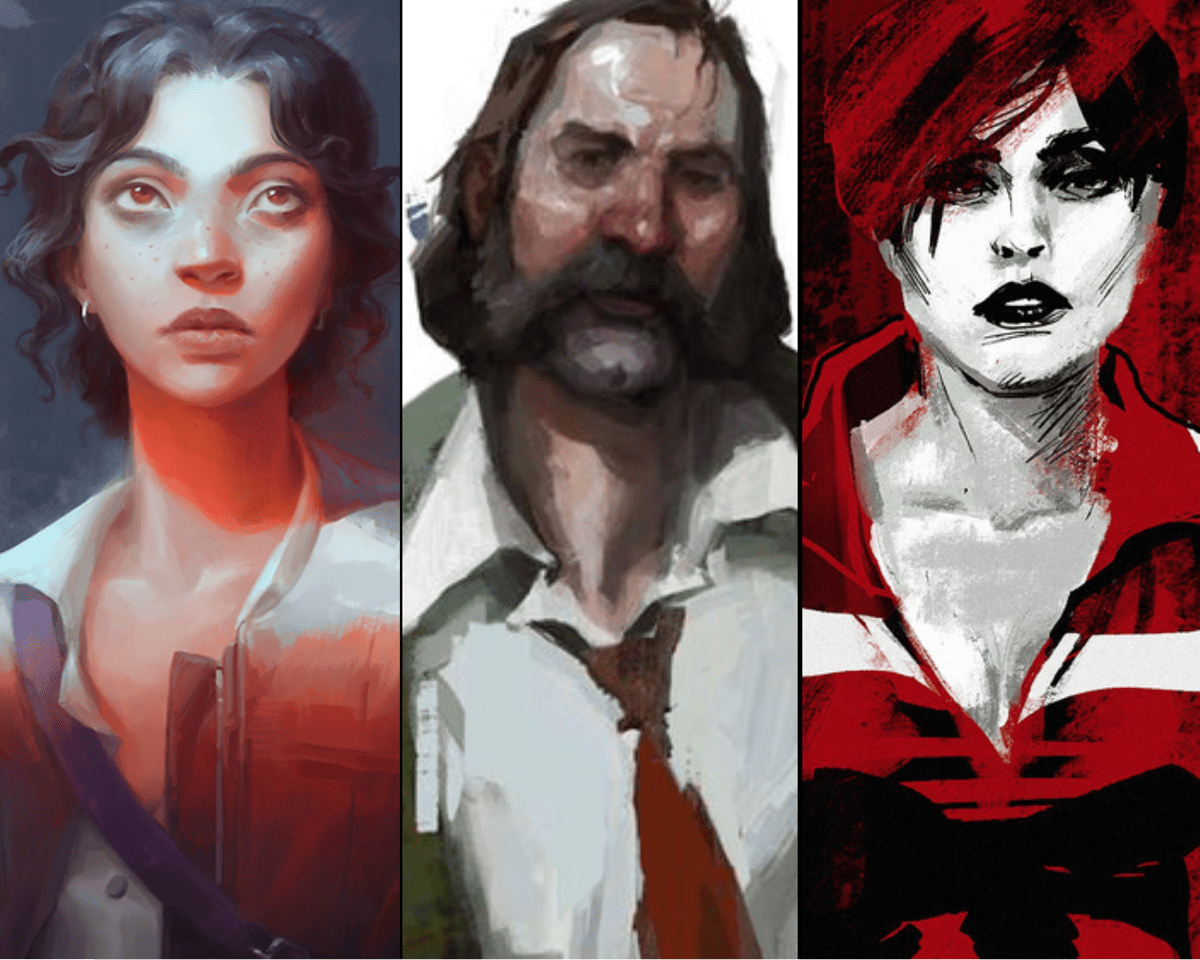
There’s a term that’s been gathering momentum in gaming circles, passed between players and critics with the kind of shorthand that only emerges when something genuinely new has arrived. That term is Disco-like.
You already know what a soulslike is. That particular shorthand, borrowed from FromSoftware’s punishing and deeply atmospheric Dark Souls series, has become so embedded in our gaming vernacular that it writes its own Wikipedia entry. Methodical combat. Brutal difficulty. Death penalties. Respawning enemies, and large interconnected worlds. The formula has spawned countless imitators, successors, and devoted acts of homage. Today, the descriptor is so widely understood it’s used by publishers as a selling point. When someone mentions a soulslike you know exactly what to expect.
Disco Elysium, the 2019 detective RPG from Estonian studio ZA/UM, has done something remarkably similar. It has created a template that is only now starting to crystallise in the games being announced, the studios being formed, and the conversations being had. Like a giant star, the games spinning in its orbit are truly deserving of their own genre.
Welcome to the age of the Disco-like. Or if we’re going to be soulslike-levels of consistent about it, the Discolike age.
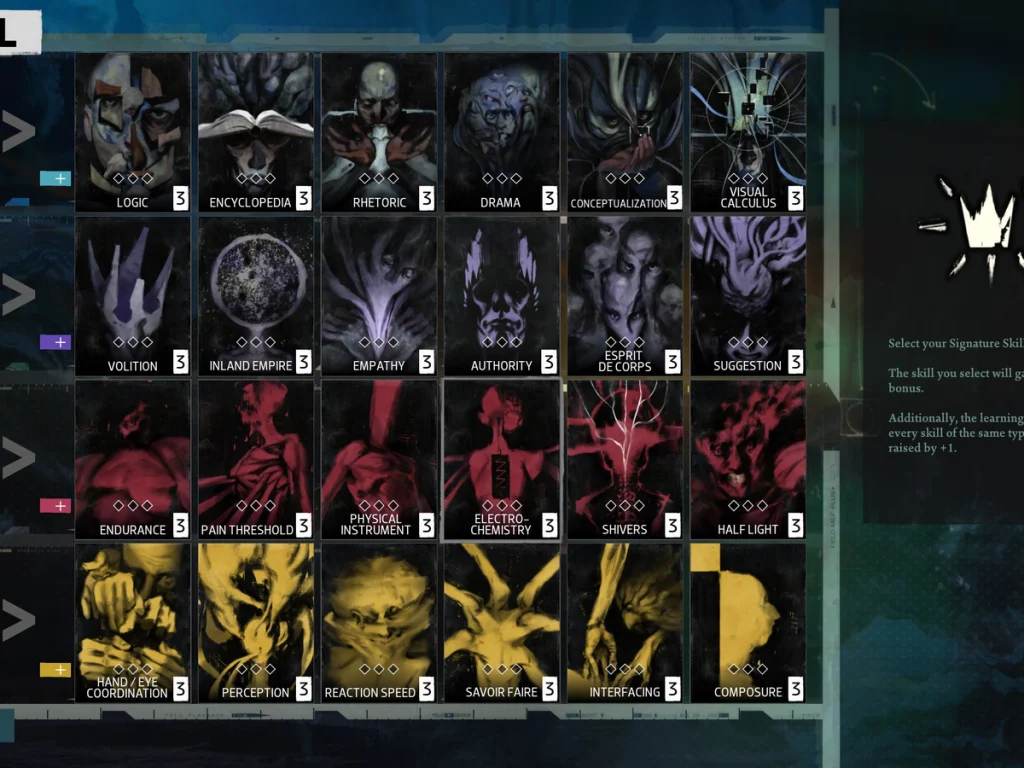
So what exactly is a Discolike? Unlike soulslikes, which tend towards combat-as-philosophy, Discolikes are more defined by what they remove. Disco Elysium, the template for Discolikes, is a pretty non-traditional role-playing game featuring very little actual combat. Instead, events are resolved through skill checks and dialogue trees using a system of 24 different skills that represent the protagonist, Raphaël Ambrosius Costeau Harry Du Bois. These skills represent Harry’s different aspects, instincts, and inner monologues, as well as his hind and forebrain impulses, each of which can speak directly to the player to influence their decisions.
Discolikes are built on the idea that the most interesting conflicts are often the ones going on inside the protagonist’s own head. Sometimes heartbreaking, sometimes hilarious, or startling, or poignant in the extreme, Disco Elysium’s central character was a richly layered and deeply flawed human being with all of the layers of his psyche ripe for exploration.
Discolikes are often games where our protagonist is defined as much by his failures and fractures as his strengths.
Ok, so no heroes, and no combat? What else is a Discolike missing? Straightforward stock RPG worlds. Clearly drawn villains. Happy endings. Obvious stakes. Comeuppances. Predictable outcomes. Now add to the mix a commitment to dense (like really dense) literary world-building, a deliberate isometric viewpoint, a politically and philosophically ambitious setting that shies away from straightforward answers, and a visual style that feels genuinely artistic rather than glossily engineered. Now you’ve definitely got a clearer picture of the Discolike aesthetic. Bonus points if the main character suffers from some from of amnesia. No. Really. It’s a thing.
Discolikes are games that almost feel pulled from another era, often sharing more in common with the great novels of the 20th and 21st Century (and some recent examples of prestige TV) than much of what populates the RPG landscape currently. They are, to borrow a phrase from ZA/UM themselves, games about being a total failure in a world that has already failed before you arrived.
Disco Elysium, the game that started it all, received critical acclaim upon its release, winning numerous awards at the Game Awards in 2019. Since then it’s gone on to sell more than five million copies. It’s also regarded as one of the greatest video games of all time, and sets the standard for video games as an art form. However, the question, for years after its release, was whether it would remain a singular achievement or become the foundation for something larger.
We now have our answer.
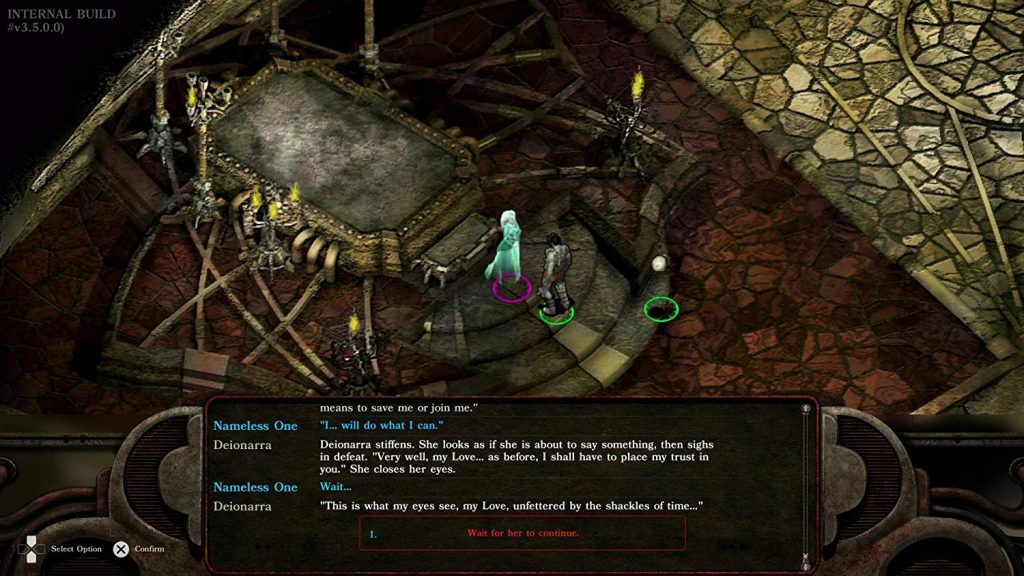
But no honest account of the Discolike can begin without acknowledging the game that Disco Elysium itself looked to as its primary ancestor. A major influence on Disco Elysium is the 1999 video game Planescape: Torment, which, like Disco Elysium, features an amnesiac player character, heavily emphasises dialogue, and is rendered isometrically.
Black Isle Studios’ Planescape: Torment asked the central question “What can change the nature of a man?” and then structured an entire RPG around the impossibility of answering it cleanly. It was radically dialogue-heavy for its time, philosophically strange, and largely unconcerned with the combat-as-centrepiece approach that defined its contemporaries. It was also, for a long time, a cult favroite more than a movement-starter. Some players felt it was too weird and too niche to inspire imitators.
Disco Elysium, in many ways, is the spiritual sequel Planescape: Torment never received, and now those games together form the twin pillars on which an entire emerging genre stands.
Disco Elysium (October 15, 2019)
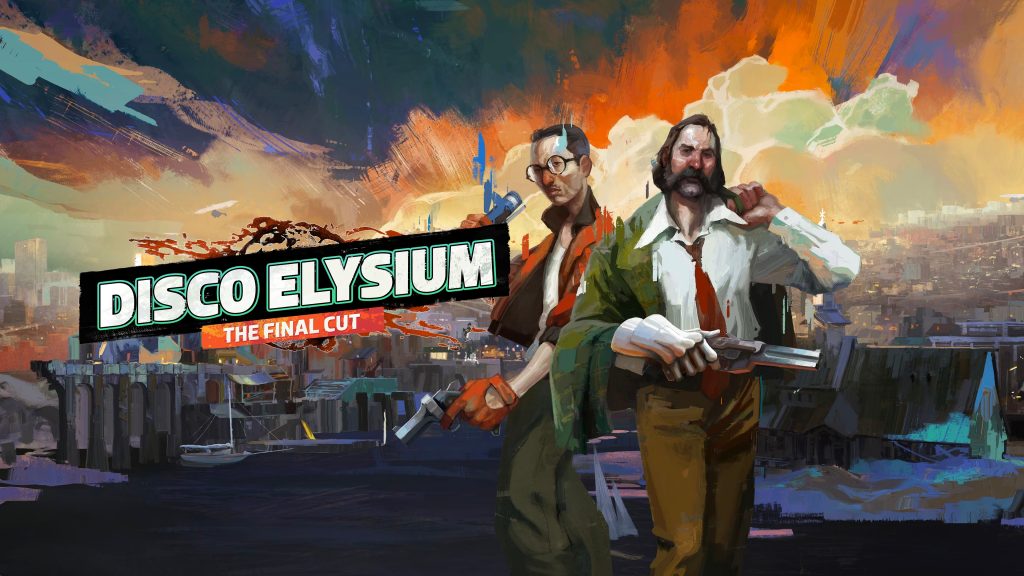
Disco Elysium was written and designed by a team led by the Estonian novelist Robert Kurvitz. The game itself takes place in the impoverished district of Martinaise, where a disheveled and disintegrated detective with no memory of his own identity investigates a murder while simultaneously trying to piece himself back together.
What Kurvitz and ZA/UM built was, on paper, a murder mystery. In practice it was far stranger and more ambitious. The game introduced meditations on political failure, personal collapse, and the particular tragi-comedy of a person trying to be heroic in a world that has long since stopped rewarding heroism. The game’s 24 skill system, where facets of the detective’s psyche like Inland Empire, Electrochemistry, and Volition (let’s not even get started on Harry’s chatty horrific necktie) would speak to the player in their own distinct voices, was unlike anything that had come before it. The skill checks it generated were not so much a series of pass or fail gateways but arguments and philosophical positions. Each new morning the game asked you what kind of wreck you wanted your detective to be today.
The game’s narrative was constructed with attention to Karl Marx’s theory of history. Influences also included TV shows like The Wire and True Detective, Émile Zola’s Germinal, Dashiell Hammett’s The Glass Key, China Miéville’s The City & The City, and Soviet sci-fi authors Arkady and Boris Strugatsky. The breadth of that reference list hints this wasn’t a game made by people who had grown up primarily on games but by a novelist and his friends who had spent years thinking about what games could be if you treated them as literature.
Disco Elysium was released for Windows on October 15, 2019. An expanded version, subtitled The Final Cut, and featuring a full voice cast and new content, was released in 2021.
And then, almost immediately, the studio that made it imploded.
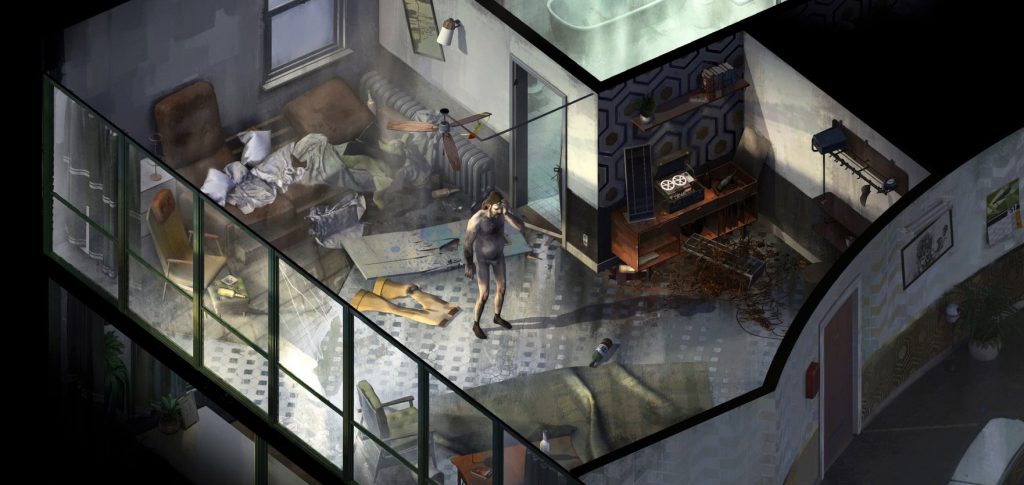
The story of what happened to ZA/UM after Disco Elysium’s success is, in itself, the kind of bleak political parable the game might have been inspired by. Conflicts at ZA/UM around 2021 led several lead developers and writers, including Kurvitz, to leave and form their own studios. By October 2024, at least four different studios in addition to ZA/UM had announced projects to develop spiritual successors to Disco Elysium.
Kurvitz and lead artist Aleksander Rostov were effectively pushed out of the studio they had founded. A dispute involving investors, share purchases, and allegations of misconduct on both sides played out in the courts and in the gaming press for years. What emerged from that collapse, however, was something extraordinary — a diaspora of some of the most talented narrative game developers in the world, each determined to carry the torch, and each with their own distinct vision of what a Disco Elysium successor could be.
The result, in 2026, is something we haven’t quite seen before in gaming. Not one or two spiritual successors jostling for position, but an entire wave of titles from solo developers, indie studios, and the gutted shell of ZA/UM itself, each making a credible claim to the Discolike inheritance.
The genre is no longer theoretical. It has arrived.
Esoteric Ebb — Christoffer Bodegård / Raw Fury (Released March 3, 2026)
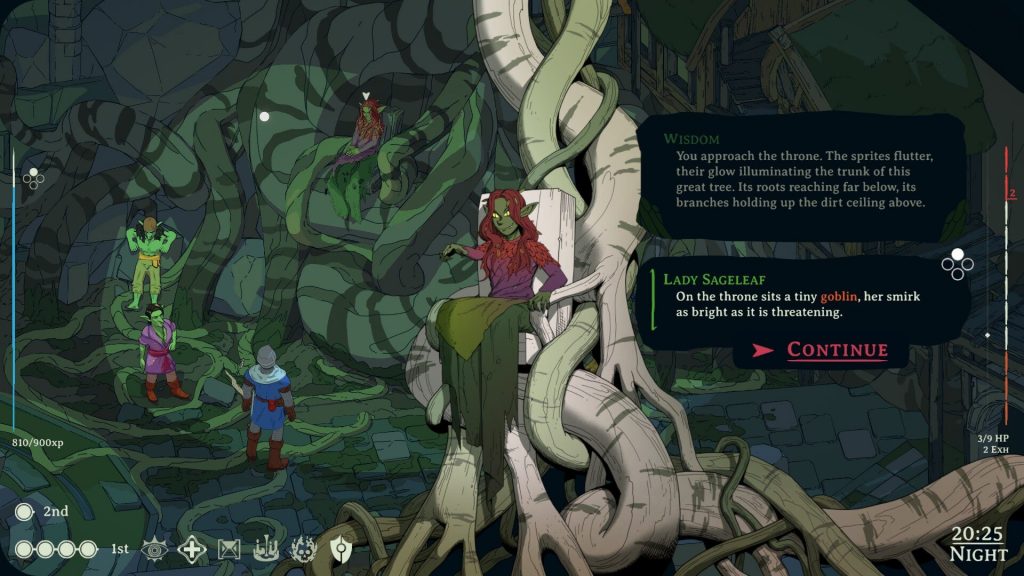
Of all the games currently jostling for position in this new genre, Esoteric Ebb has perhaps the most delightful origin story.
Swedish solo developer Christoffer Bodegård was inspired by the D&D campaigns he and his friends had played, and put together a design document for his ideal RPG before setting out to develop it. After about four years he had completed enough to know his approach to exploration and social interactions were in place. But Bodegård was struggling with combat, and was forced to put the project down. About three months later Disco Elysium was released, sporting a clever new system that resolved conflicts through skill checks over out-and-out combat. Bodegård immediately saw that this approach would fit his concept and spent about a month and a half playing Disco Elysium as research for his game.
Esoteric Ebb places the player in control of the “world’s worst cleric,” who wakes up from an incident they do not remember, and must uncover the reason for the explosion of a tea shop in the city of Norvik, five days before a major election. Like Disco Elysium, the game is presented in isometric view, and the cleric engages with inner dialogue from the voices of six attributes — Strength, Dexterity, Intelligence, Wisdom, Constitution, and Charisma — which can lead to skill checks resolved by rolling a 20-sided die.
By the end of development, Bodegård estimated he had written over 1.25 million words for the game. That figure, from a solo developer who was struggling to pay rent for much of that period, is a testament to the specific kind of devotion the genre seems to inspire. The Discolike, it turns out, attracts writers who have things to say.
Esoteric Ebb was published by Raw Fury and received strong critical notices, earning a Metacritic score of 85 and a 100% recommendation rate from OpenCritic. GameSpot awarded it 9 out of 10.
Zero Parades: For Dead Spies — ZA/UM (Released May 21, 2026)
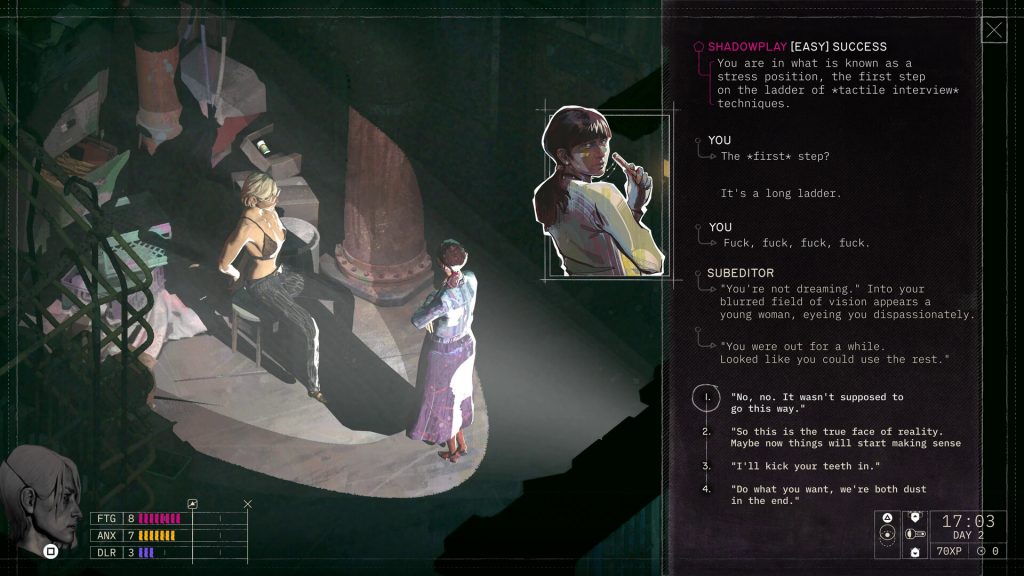
Ah! The elephant in the room! The game that the studio responsible for Disco Elysium itself has finally produced, minus the creative architects who built the original, and amid an ongoing legal dispute with those same individuals over the IP. Whether you find that context tragic, absurd, unfair, or simply par for the course in the modern games industry, Zero Parades: For Dead Spies has arrived.
Zero Parades is neither a sequel nor spiritual successor to Disco Elysium, according to ZA/UM. However it shares many of its concepts in art and gameplay. The player controls Hershel Wilk, a female operative under the code name Cascade, sent to the town of Portofiro on a covert mission. Similar to Harry Du Bois in Disco Elysium, Hershel has a split psyche, and rather than resolving conflicts through combat, the player makes skill checks against facets of their psyche or other characters.
The game introduces new mechanics, including “dramatic encounters” which are essentially chains of events that the player must commit to one of several options at each step, in addition to a stress system where exerting additional effort on a skill check comes at the cost of affecting stress levels such as anxiety.
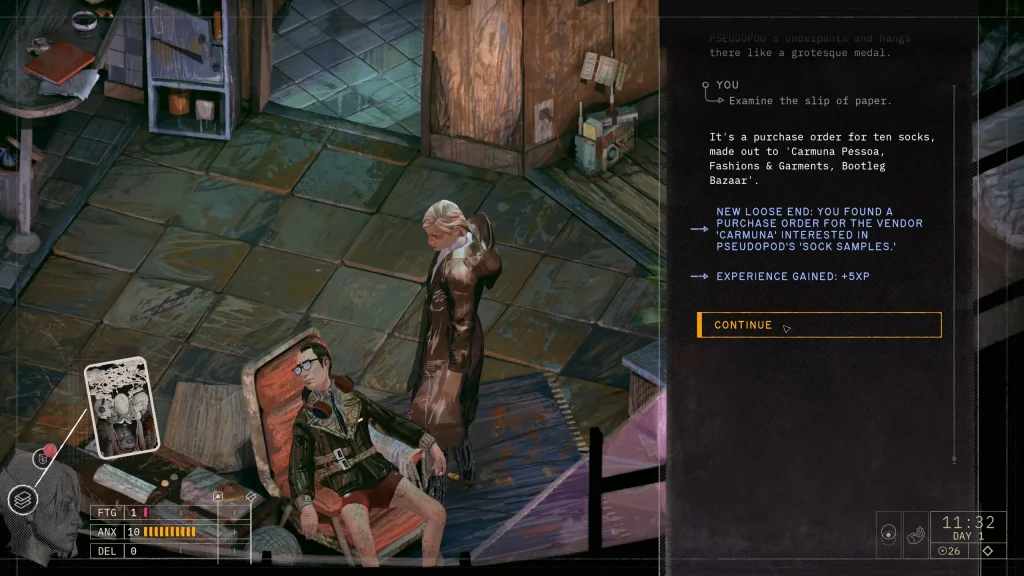
Writers Siim “Kosmos” Sinamäe and Honey Watson said that unlike Disco Elysium, which was a cop story, Zero Parades is a spy story, where there is necessarily no right or wrong action. The game was inspired primarily by the spy novels of John le Carré, along with the works of Ursula K. Le Guin and Thomas Pynchon.
The literary ambition, at least, is still intact. The question of whether ZA/UM (now operating without Kurvitz, Rostov, or many of the writers who made the original so distinctive) can recapture what made Disco Elysium feel like a genuine act of cultural invention is one the gaming community will be debating for some time. What is already clear is that the game exists, and that it looks and feels unmistakably like a Discolike.
Hopetown — Longdue Games (Crowdfunded. In Development)
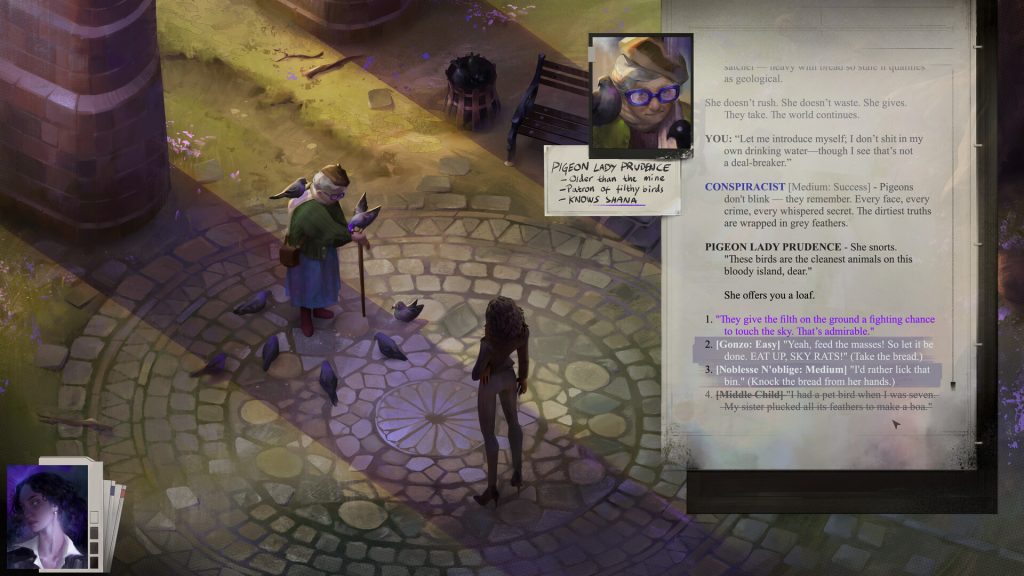
Hopetown stars a rogue journalist in a mining community where ambitions clash and secrets lie buried beneath the ground. That logline alone tells us we’re operating in familiar Discolike territory. A morally complicated protagonist? Check. A class-structured setting? Check. A world where the personal and political are inextricably intertwined? Check. Isometric view? Another resounding check.
Longdue is a studio founded with contributors to Disco Elysium and other industry veterans. It describes Hopetown as merging the emotional depth and psychological intricacy of Disco Elysium with the philosophical richness of Planescape: Torment.
New mechanics include “psycho-geography” where emotions and memories reshape the world, and a journalism RPG system that empowers players to craft stories that influence perception, inspire rebellion, or enforce complacency. The journalism angle is particularly intriguing. Where Disco Elysium’s Harry Du Bois was a detective, and a figure with institutional authority he could barely keep hold of (when we first meet him Harry has lost his badge, his gun, all of his clothes, and one shoe, along with all of his memories) Hopetown’s protagonist operates through words and framing. It suggests a game preoccupied not just with what the truth is, but what it means to control how it gets told. In 2026, the timing feels pointed.
Lenval Brown, the iconic voice of Disco Elysium’s narrator, will voice a key character in the game. His involvement feels like a true statement of intent from Longdue. That voice, once heard, carries an entire emotional and philosophical world with it.
Hopetown has not yet announced a release date, but its Kickstarter campaign attracted significant attention, and with four writers who contributed to Disco Elysium involved in the project, it is one of the most closely watched titles in the emerging genre.
Tangerine Antarctic — Dark Math Games (In Development. No Release Date Announced)
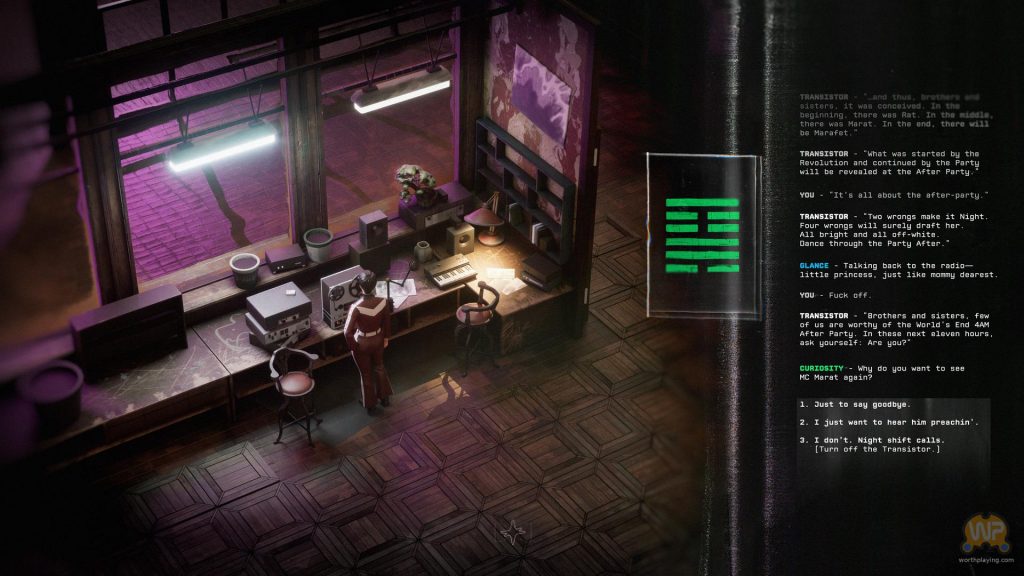
Dark Math Games is one of several studios that emerged from ZA/UM’s developer exodus following the release of Disco Elysium. Their project, Tangerine Antarctic, takes the Discolike template and drops it somewhere considerably colder.
Set in 2086 CE at the Tangerine Antarctic — the most luxurious hotel at World’s End, Antarctica — a detective finds themselves stranded at a ski village at Mount Hope during a blizzard, where the powerful elites who frequent the resort are becoming murder victims. It is, on the surface, an Agatha Christie setup. In practice, it is something more unsettling.
A gameplay trailer shows conversation between the player character and various internal motivations, such as curiosity and drive, in the style of Disco Elysium’s skill system, with each entity fully voice acted. Dark Math promises that the Tangerine Antarctic hotel itself will be a major character in the story.
Notably, Tangerine Antarctic departs from the isometric view of its inspirations, instead using a third-person camera. This is not a small decision. One of the defining visual signatures of the Discolike is that slightly god-like isometric perspective granting the player a vantage point that places them above their protagonist, watching them fumble and fail while managing their internal chaos. The move to third-person suggests Dark Math is thinking carefully about where the genre can evolve rather than simply paying homage to what came before. Whether it works remains to be seen, but the ambition is right.
Rue Valley — Emotion Spark Studio / Owlcat Games (Released November 11, 2025)
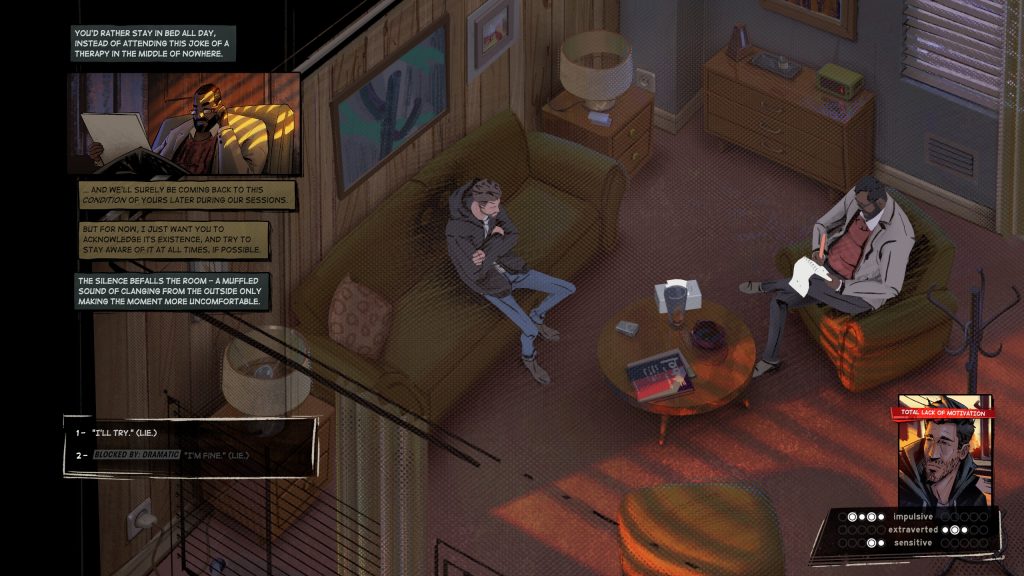
Rue Valley arrived with a notable endorsement before it even launched. Robert Kurvitz, Aleksander Rostov, and Helen Hindpere, the three core creative architects of Disco Elysium, visited Emotion Spark Studio in Belgrade to test the game and provide informal professional feedback. Kurvitz was described as “genuinely excited” by the experience, Hindpere called it “refreshingly original,” and Rostov visited the studio multiple times to help the team refine its art style.
Published by Owlcat Games and released on November 11, 2025 for PC and consoles, Rue Valley is an isometric narrative RPG following a man caught in a time loop, where each reset changes not only what he can do but who he is becoming. Players carry memories across loops, unlocking new dialogue and ways to interact with the world, a mechanic that feels spiritually adjacent to Disco Elysium’s Thought Cabinet, if considerably lighter in execution.
And that “lighter” qualifier matters. Critics and players have noted that while Rue Valley looks and feels Disco-adjacent. The isometric perspective, the psychological themes, and the emphasis on dialogue are all there. However, it’s more of a narrative adventure than a full RPG, with the skill system depth and political ambition of a true Discolike operating at reduced wattage. Steam reviews have settled at around 62% positive, a “mixed” verdict that suggests the game delivers on atmosphere and emotion without quite matching the intellectual heft of its inspiration.
To its credit Rue Valley is a thoughtful, well-intentioned game tackling genuinely difficult themes around mental health, and its collaboration with the Movember foundation to raise awareness around men’s mental wellbeing gives it a social purpose beyond entertainment. But it is perhaps best understood as sitting on the softer edge of the Discolike spectrum. It’s a game that borrows the aesthetic and the emotional register without fully committing to the genre’s more demanding philosophical architecture. Proof, if anything, that the Discolike has gradations, and not every game wearing the influence on its sleeve earns the full descriptor.
Red Rooster — Summer Eternal (In Development. Anthology Reveal Imminent)
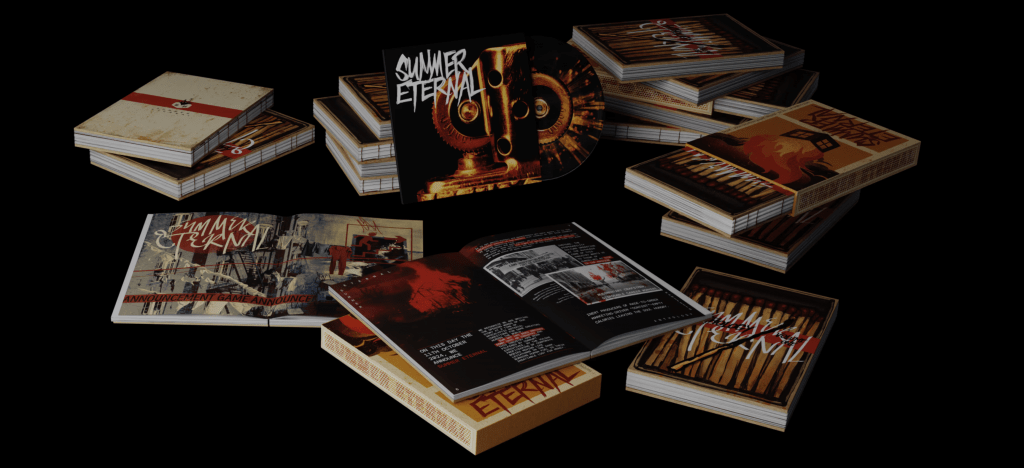
Summer Eternal was founded by Argo Tuulik and Dora Klindžić, key writers from ZA/UM, who described their intention to build “a Role Playing Game with complexity and ambition worthy to rival our wretched and wonderful world.”
Summer Eternal announced its first game, Project Red Rooster, through an unusual route, passing over trailers and press releases for a physical book of art, essays, and development diaries that will be shipped simultaneously to all pre-orderers worldwide via DHL, in a coordinated global reveal targeting the same 24-48 hour delivery window for every backer, wherever they are in the world. It is, even by the standards of this genre, an unusually literary act of announcement. And with the anthology’s shipping window confirmed as Summer 2026, it may land on doorsteps any week now.
What we know about Red Rooster itself remains deliberately scarce. Summer Eternal is holding the details for the anthology. However a recent production update confirmed that concept artists are moving ahead on the first drafts, a first playable prototype is being built to test early gameplay innovations, and musicians are already refining demo tracks. The game exists. It is taking shape. The studio simply refuses to announce things in a conventional way.
Tuulik was the creator and primary writer behind Cuno, one of Disco Elysium’s most memorable and annoying characters. He and Klindžić were also the principal writers behind the cancelled ZA/UM spinoff Locust City. Summer Eternal is structured as a worker-owned collective. The studio model is a kind of political statement in itself, and one that reflects the themes these games habitually explore. Red Rooster has no release date and we still don’t even fully know what it is. But of all the Discolike projects currently in the pipeline, it may be the one with the most to prove. And if Tuulik’s track record is anything to go by, the most interesting things to say.
Untitled Project (Codename “Corinthians”) — Red Info

No account of the Discolike’s rise would be complete without acknowledging the question that been hanging over the entire genre since 2019. What is Disco Elysium’s actual creator making next?
After leaving ZA/UM, Kurvitz and Rostov launched Red Info, a development studio of their own, in June 2022. The studio set out to work on a spiritual successor to Disco Elysium. This weighty project was backed by $10 million in funding from NetEase, and had writer Chris Avellone brought on to help.
Red Info has, to date, revealed almost nothing about its project. No name, no screenshots, no Kickstarter. Just money, talent, and a very long silence. Given that the game Kurvitz built before is considered one of the greatest RPGs ever made, that silence is deafening in the best possible way. When Red Info finally shows its hand, it will reshape this conversation entirely.
Publicly, Red Info has expressed the desire to build a cultural mega-project. More specifically, the intent is a sprawling, deeply literary role-playing game that explores darker themes and human flaws. The studio recently filed a trademark for a project codenamed Corinthians.
Other Discolikes in the Pipeline and Where to From Here?
While researching for this piece a curious thing happened. The more I looked for Discolike games, the more games I found. In order to stop this article shy of becoming a novella, I decided to short list just a few more here.
If the games already released and announced represent the first wave of the Discolike, the games in progress below suggest that the second wave is already forming, and it looks like it might be more geographically and thematically diverse than what has come before.
Glasshouse — Flat28 (In Development. No Release Date Announced)
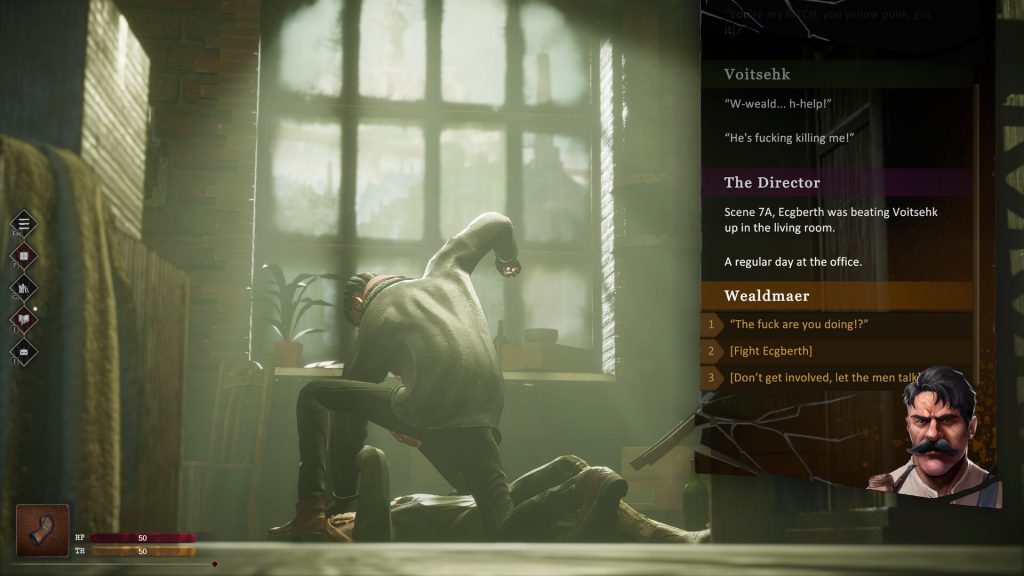
Of all the Discolike currently in development without a release date, Glasshouse may be the one that wears its influences most boldly. Developed by Italian solo developer Flat28, it is an isometric turn-based CRPG set in a post-capitalist “Feudalpunk” world at the dawn of a terrible world war. You play Wealdmaer, a deputy head of a condominium who finds themselves locked inside their apartment building following a triple murder, forced to manage the lives of their neighbours, survive their flatmates, and unpick a political conspiracy that will test their ideological convictions to breaking point.
The Disco Elysium DNA is present in everything from the claustrophobic political setting, to the dialogue-as-world-building approach, to the insistence that your character’s moral framework is not a background detail but the central question the game is asking. Flat28 also cites Pathologic as an influence, another deeply strange, morally demanding narrative game that occupies a similar cult niche.
Pera Coda — Falan / Elyzio (In Development. No Release Date Announced)
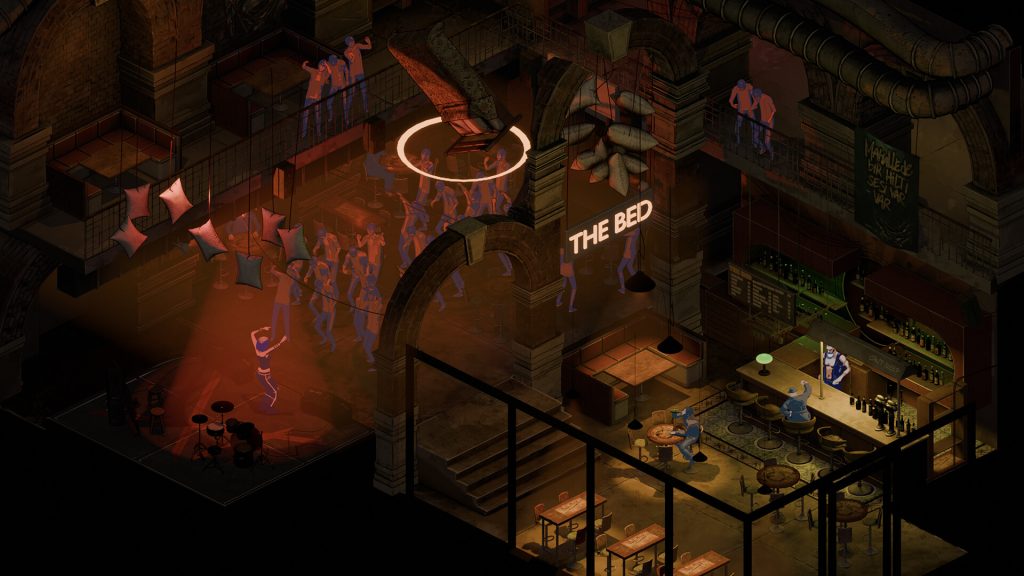
Geography matters in Discolikes. The world is an argument, not a backdrop. Disco Elysium‘s Martinaise was a meditation on post-industrial decline, political failure, and the particular sadness of a city that once believed in something. Pera Coda understands that principle, placing the game’s events in Istanbul.
Developed by Falan, a newly formed narrative-focused studio under Turkish publisher Elyzio, Pera Coda follows Deniz, an attorney trapped in a purgatory-like loop between life and death, forced to become both judge and defendant in the reckoning of his own soul. He must confront traumatic memories, uncover hidden truths, and navigate a surreal recreation of Istanbul’s historic Pera neighbourhood (one of the city’s oldest and most layered districts) in order to find a way forward.
Each loop reflects Deniz’s psychological journey, with progress tied to emotional breakthroughs. The art direction (neo-noir Istanbul rendered in a painterly style) looks, from what has been shown so far, genuinely striking. As the game’s art director Ahmet Kazanci put it, the city is designed to function as “both a stage and a mirror, where East meets West, chaos meets calm, and each district reflects a piece of your fragmented self.”
That is, unmistakably, a Discolike sensibility. The game is backed by $2 million in pre-seed funding, and has its Steam page live and accepting wishlists.
Hollow Home — Twigames Inc (In Development. No Release Date Announced)
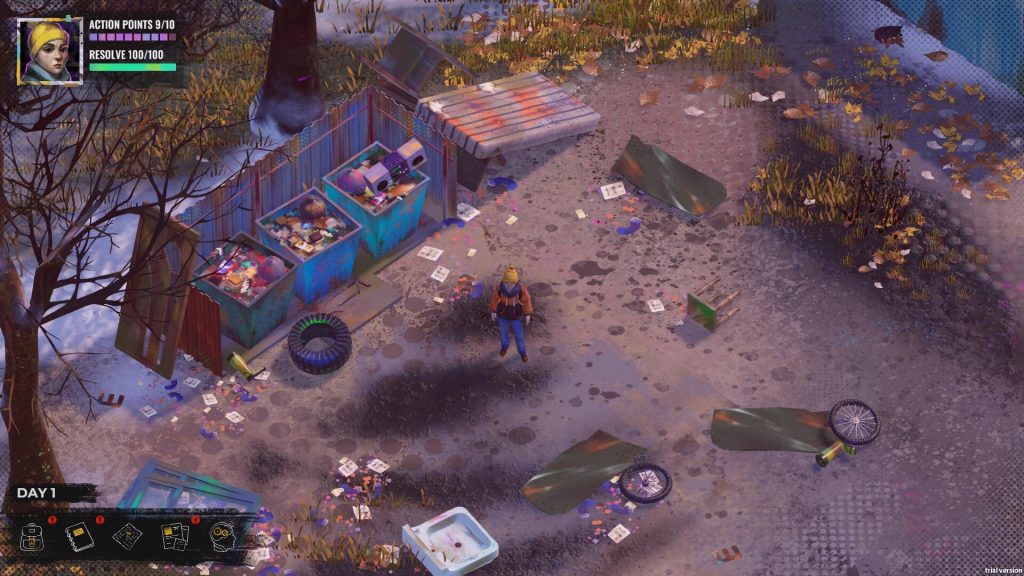
Set in Mariupol on the eve of Russia’s 2022 invasion, Hollow Home follows a Ukrainian teenager named Maksym as he navigates the first hours and days of a war he did not ask for and cannot escape. Developer Twigames Inc explicitly names Disco Elysium and Planescape: Torment as its primary influences, and the isometric camera and oil-painting-inspired art design place it squarely in the visual language of the genre.
What Hollow Home represents, however, is something the Discolike has not yet fully attempted. It’s a story rooted and documented in an ongoing, real-world catastrophe. Where Disco Elysium built Revachol as a composite of every post-industrial city that ever forgot what it was fighting for, Hollow Home does not need to invent anything. The city is real. The invasion is real. The grief is not a metaphor.
That is either the genre’s most ambitious move yet, or a weight too heavy for any game to carry gracefully. Possibly both. What seems certain is that Hollow Home is asking exactly the kind of questions a Discolike should ask, about complicity, survival, and what it means to be young in a world that adults have broken.
No release date has been announced. But it is one of the most significant titles in this emerging genre’s pipeline, for reasons that have very little to do with mechanics.
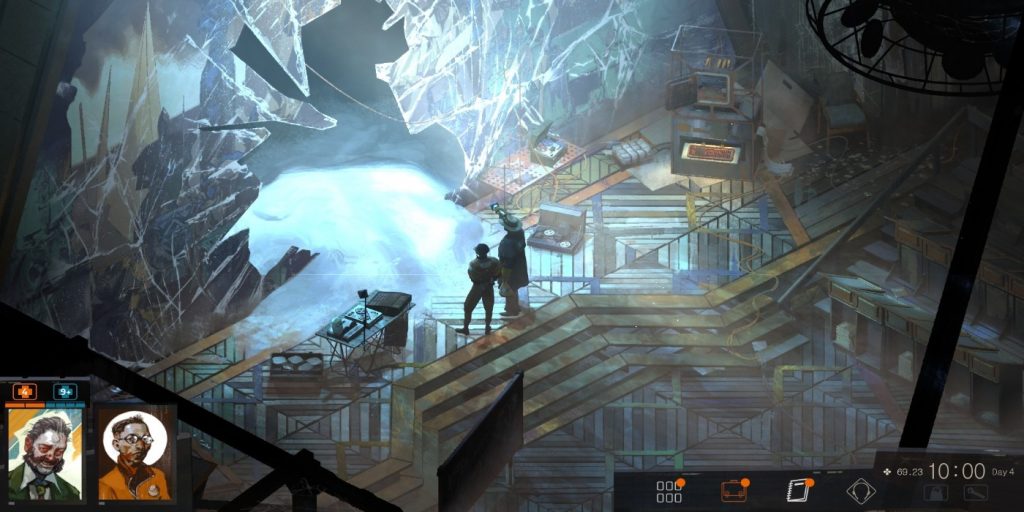
It’s worth pausing to ask the obvious question: why is all of this happening at once? Why 2025 and 2026, rather than 2021 or 2022?
Part of the answer is simply practical. Games take time. The studios formed in the immediate aftermath of ZA/UM’s collapse needed years to assemble teams, secure funding, and build enough of their projects to announce them publicly. The Discolike wave was always coming. We just had to wait for it to arrive.
But there’s something else at play too that needs to be said. The games industry is in a genuinely strange, and for many players, uncomfortable, moment. AAA budgets have ballooned to absurd proportions, pressure to monetise has lessened countless promising titles, and players are increasingly fatigued by reductive franchises, prequels, and sequels. Online spaces are replete with rage-baiting mega accounts whose aim is to breathily plaster new games with “woke” or “AI-created” labels within hours of release in an attempt to topple sales. Into that environment, the Discolike offers something that feels kinda radical in comparison. These are games quietly built around words and ideas, and the belief and trust that the players who find them are capable of engaging with complexity. They are spaces where people who genuinely enjoy smart games can explore. There are no combat tutorials. No skill trees that exist purely to give you something to unlock. No “Pretend You Won” feature. And (almost) no discussion on the attractiveness of female characters, or the color of the protagonist’s skin. Most often we’re simply presented with a broken protagonist, a difficult world, and the invitation to care about both. And guess what? It turns out there’s an enormous appetite for that. The developers who understand it best (many of them, tellingly, trained as writers and artists rather than AAA game designers) are building a genre as I write these words.
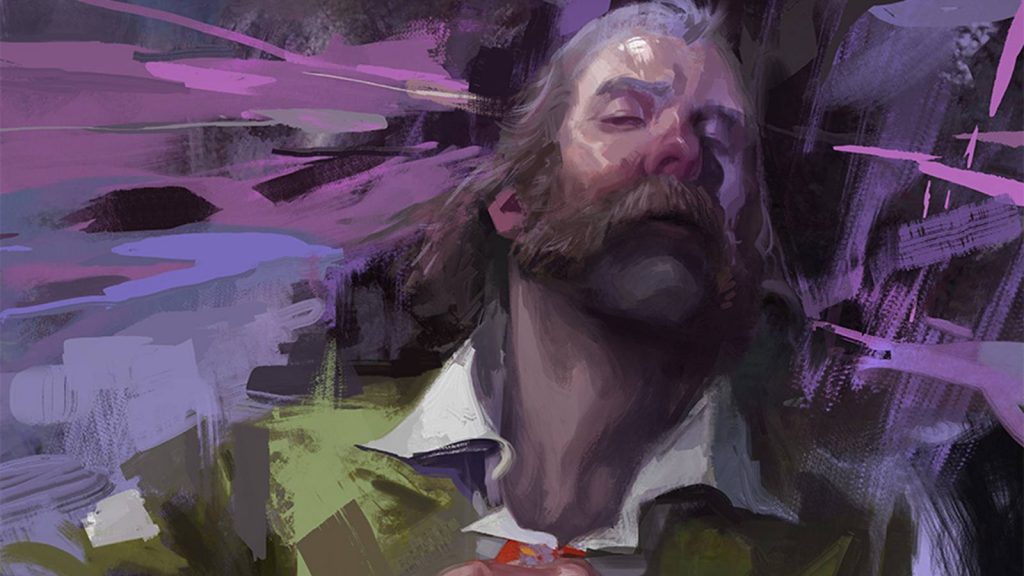
Discolike is a term that will likely feel slightly odd for another year or two, but gradually it’s going to feel entirely natural. The games are here, more are coming, and the conversation about what defines the genre (and for that matter what separates a genuine Discolike from a mere Disco-inspired title) is only just beginning.
What seems clear is that the defining characteristics of a Discolike are not just mechanical, though the skill-based dialogue system and absence of traditional combat are tell-tale signs. They’re also tonal. And a little philosophical. And more than a little argumentative. A Discolike is a game that believes a player’s time is best spent arguing with their own psyche in a politically charged ruin of a world, and not with a dumbass online about whether the latest AAA sequel deserves to be canceled because some character’s breasts aren’t round enough. In a Discolike game players make choices that feel like they matter and later discover that they do.
A Discolike is a game that was written by someone who cares deeply about words, and wants you to care about them too.
Disco Elysium asked what it means to keep going after everything has already fallen apart. The games it has inspired are asking the same question in different rooms, in different cities, and in different countries. Seven years on from Martinaise, the conversations Disco Elysium started are only getting louder and more interesting. The writers are here. The ambition is here. The genre, it turns out, was only waiting to happen.
The disco ball is spinning. And it shows no signs of stopping. Thanks Harry.
At TV Pulse Magazine, every review, feature, and opinion piece is written by real people with firsthand experience of the shows and games we cover. We do not use artificial intelligence to write our reviews or editorial content. Our critiques are based on actual viewing, hands-on gameplay, and independent analysis, ensuring authenticity, context, and honest perspective that automated systems cannot replicate. AI tools are never used to generate reviews, scores, or editorial opinions. Our commitment is simple: human insight, genuine experience, and editorial transparency.
